Varicose vein sclerotherapy is a minimally invasive treatment used to close selected abnormal veins, helping reduce the appearance of visible veins and relieve symptoms such as aching, heaviness, itching and discomfort.
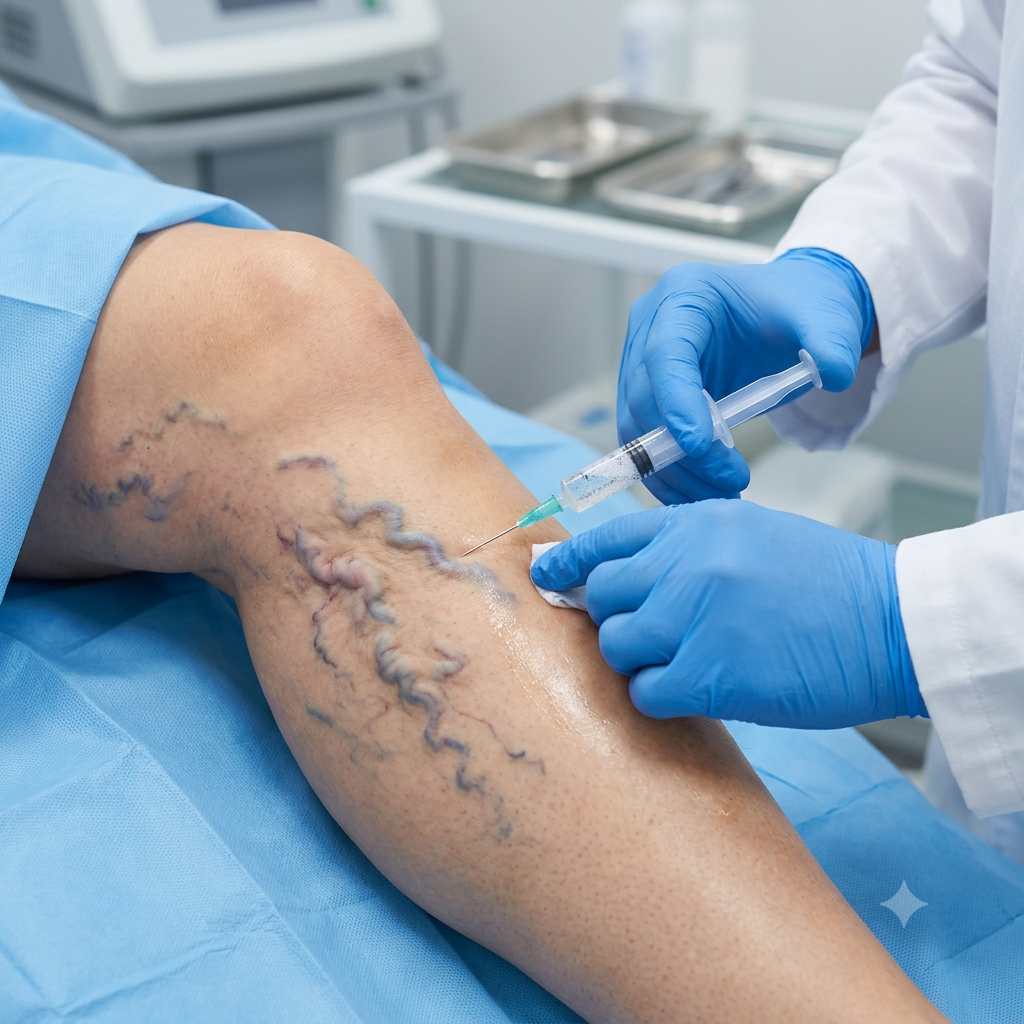
Varicose Vein Sclerotherapy
What Is Varicose Vein Sclerotherapy?
Varicose vein sclerotherapy is a minimally invasive treatment used to close selected abnormal veins, helping reduce the appearance of visible veins and relieve symptoms such as aching, heaviness, itching and discomfort.
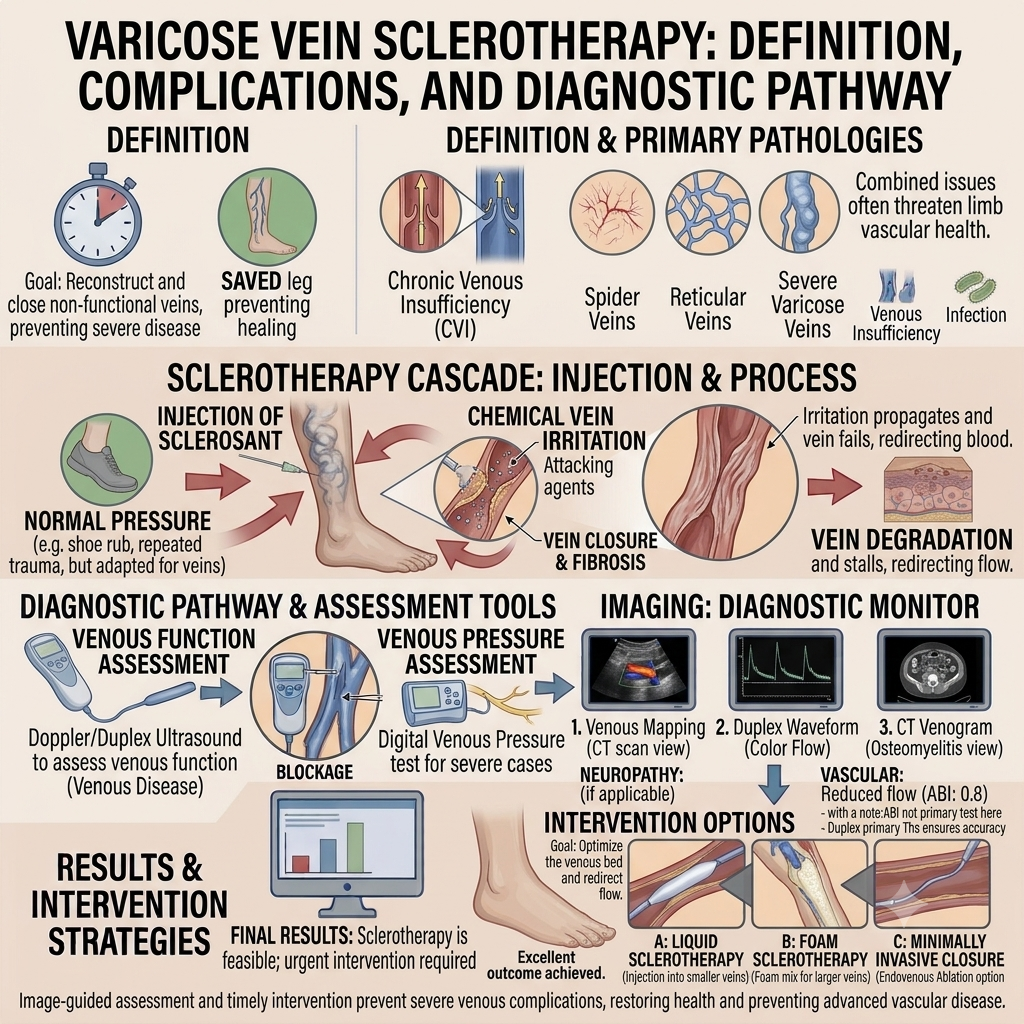
During the procedure, a specialised solution called a sclerosant is injected directly into the affected vein. The solution irritates the inner lining of the vein, causing its walls to close and gradually become sealed. Blood is then redirected through healthier veins, while the treated vein is gradually absorbed by the body.
Sclerotherapy is commonly used for spider veins, reticular veins and selected small or medium-sized varicose veins. The most suitable technique depends on the size, location and underlying cause of the affected veins.
What Causes Varicose Veins?
Varicose veins develop when the valves inside the veins become weak or damaged. These valves normally help blood flow towards the heart and prevent it from flowing backwards.
When the valves do not function properly, blood can collect in the veins, increasing pressure and causing them to enlarge and become twisted or bulging.
Common contributing factors include:
- Family history of varicose veins
- Increasing age
- Pregnancy and hormonal changes
- Prolonged standing or sitting
- Obesity or excess body weight
- Previous deep vein thrombosis (DVT)
- Reduced physical activity
What Symptoms Can Varicose Veins Cause?
Some people have visible varicose veins without experiencing discomfort. Others may develop symptoms that affect daily activities.
Common symptoms include:
- Enlarged, twisted or bulging veins, usually in the legs
- Aching or throbbing in the legs
- Heaviness or tiredness, particularly after standing
- Swelling around the ankles and lower legs
- Itching or irritation around affected veins
- Muscle cramps, especially at night
- Skin discolouration around the ankles
- In advanced cases, skin damage or venous ulcers
Persistent swelling, skin changes or non-healing wounds should be assessed because they may indicate underlying chronic venous disease.
What Is the Purpose of Sclerotherapy?
The main purpose of sclerotherapy is to close selected abnormal veins and improve symptoms or appearance.
Depending on the patient’s condition, treatment may aim to:
- Reduce the visibility of spider veins and small varicose veins
- Relieve aching, heaviness and discomfort
- Reduce symptoms associated with selected superficial veins
- Improve the appearance of affected areas
- Treat certain veins that remain after other varicose vein procedures
Sclerotherapy does not treat every underlying cause of venous insufficiency. If larger veins or faulty venous valves are responsible for the problem, another treatment may be more appropriate.
Who May Be Suitable for Varicose Vein Sclerotherapy?
Sclerotherapy may be considered for people with:
- Spider veins or small visible surface veins
- Reticular veins beneath the skin
- Selected small or medium-sized varicose veins
- Residual veins following previous varicose vein treatment
- Certain recurrent superficial veins
The treatment may not be suitable for everyone. A specialist will assess the vein pattern, symptoms, circulation and medical history before recommending it.
Patients with suspected DVT, certain circulation problems, active infection or other medical conditions may need additional assessment or alternative treatment.
What Are the Different Types of Sclerotherapy?
The technique is selected according to the size and location of the vein.
1. Liquid Sclerotherapy
A liquid sclerosant is injected directly into the affected vein using a fine needle.
It is commonly used for spider veins, reticular veins and selected small superficial veins.
2. Foam Sclerotherapy
In foam sclerotherapy, the sclerosant is mixed with air or another gas to create a foam.
The foam displaces blood within the vein and comes into contact with a larger area of the vein wall. It may be used for selected larger superficial veins and certain recurrent varicose veins.
3. Ultrasound-Guided Foam Sclerotherapy
In this technique, ultrasound imaging is used to identify and guide treatment of veins that are not easily visible on the skin.
It helps the specialist place the sclerosant accurately into the intended vein and monitor its distribution.
The appropriate method depends on the individual vein anatomy and treatment goals.
How Is Varicose Vein Sclerotherapy Performed?
Sclerotherapy is generally performed as an outpatient procedure and usually does not require general anaesthesia.
The steps may include:
- Initial assessment: The specialist examines the legs and reviews the patient’s symptoms and medical history.
- Ultrasound examination: A venous duplex ultrasound may be performed to assess blood flow and identify faulty valves or underlying venous reflux.
- Preparation: The treatment area is cleaned, and the patient is positioned comfortably.
- Injection: A fine needle is used to inject the sclerosant into the selected vein.
- Ultrasound guidance: If required, ultrasound is used to guide the injection and monitor the treatment.
- Compression: Compression stockings or bandages may be recommended after the procedure.
- Walking and discharge: Patients are generally encouraged to walk shortly after treatment and can usually return home the same day.
The duration depends on the number, size and location of the veins being treated.
Is Sclerotherapy Painful?
Most patients experience only mild discomfort during sclerotherapy.
The injection may cause a brief stinging or burning sensation. Some people may notice temporary cramping or tightness in the treated area.
The level of discomfort varies depending on the number of injections, the type of sclerosant and individual sensitivity.
What Are the Benefits of Varicose Vein Sclerotherapy?
When appropriately selected, sclerotherapy offers several potential benefits:
- Minimally invasive treatment
- No surgical incision is generally required
- Usually performed without general anaesthesia
- Short procedure and recovery period
- Can improve the appearance of visible veins
- May relieve symptoms in selected patients
- Usually allows patients to return to routine activities quickly
Results vary between individuals, and more than one treatment session may be required.
What Are the Possible Risks and Side Effects?
Sclerotherapy is generally considered safe when performed by an appropriately trained specialist. However, like any medical procedure, it has potential risks.
Possible side effects include:
- Temporary bruising or swelling
- Mild pain, itching or redness
- Small areas of skin discolouration
- Formation of small blood vessels near the treated area (matting)
- Tender lumps or trapped blood within treated veins
- Skin irritation or, rarely, skin ulceration
- Allergic reaction to the sclerosant
Less common but more serious complications can include deep vein thrombosis, pulmonary embolism, nerve injury or significant tissue damage.
The specialist will explain the risks relevant to the patient’s condition before treatment.
How Should I Prepare for Sclerotherapy?
Preparation depends on the treatment plan and the patient’s medical history.
Before the procedure:
- Inform the specialist about existing medical conditions.
- Share details of all medicines and supplements being taken.
- Mention any history of blood clots, allergies or previous vein treatments.
- Inform the doctor if you are pregnant or breastfeeding.
- Ask whether any medicines need to be adjusted.
- Wear comfortable clothing that allows access to the treatment area.
- Arrange suitable compression stockings if recommended.
Do not stop prescribed medicines unless instructed by your treating doctor.
What Happens After Sclerotherapy?
Most patients can walk immediately after the procedure and return to normal daily activities shortly afterwards.
The treated veins do not disappear immediately. They gradually close and are absorbed by the body over several weeks or months.
After treatment, the specialist may recommend:
- Walking regularly
- Wearing compression stockings for the advised period
- Avoiding prolonged sitting or standing
- Avoiding strenuous exercise for a short period if advised
- Avoiding hot baths or direct heat for the recommended period
- Attending follow-up appointments
Follow the individual instructions provided by the treating specialist.
How Long Does It Take to See Results?
Results develop gradually rather than immediately.
Smaller veins may become less visible over several weeks, while larger treated veins can take longer to improve. Some patients require multiple sessions to achieve the desired result.
The response depends on vein size, the type of treatment, circulation and individual healing.
Sclerotherapy cannot guarantee that all visible veins will disappear permanently. New varicose or spider veins may develop over time.
Can Varicose Veins Return After Sclerotherapy?
Sclerotherapy closes the veins that are treated, but it does not prevent new varicose veins from developing.
New veins may appear because of inherited factors, ageing, hormonal changes or continuing problems with venous circulation.
Some treated veins may also reopen or require additional treatment.
Regular movement, weight management and following medical advice may help manage symptoms and support long-term vein health.
Are There Alternatives to Sclerotherapy?
Yes. The most suitable treatment depends on the size of the veins, the severity of symptoms and whether underlying venous reflux is present.
Treatment options may include:
Compression Therapy
Compression stockings apply controlled pressure to the legs to help improve venous blood flow and reduce swelling and discomfort. They may help manage symptoms but do not permanently eliminate varicose veins.
Endovenous Laser Ablation (EVLA)
EVLA uses laser energy delivered through a thin catheter to close a diseased superficial vein. It is commonly used for selected veins with significant reflux.
Radiofrequency Ablation (RFA)
RFA uses controlled heat generated by radiofrequency energy to close an affected vein. It is another minimally invasive option for selected patients with venous reflux.
Ambulatory Phlebectomy
This procedure removes selected superficial varicose veins through very small skin openings. It may be used for larger bulging veins close to the skin.
Surgical Vein Treatment
Surgical procedures may be considered in selected cases when minimally invasive options are unsuitable or have not been effective.
A venous duplex ultrasound can help determine which treatment is appropriate.
Frequently Asked Questions (FAQs)
Is sclerotherapy a permanent treatment for varicose veins?
The treated vein is intended to close permanently, but new varicose veins can develop. Some treated veins may also reopen, so additional treatment may sometimes be required.
How many sclerotherapy sessions will I need?
The number of sessions depends on the number, size and distribution of the veins. Some patients need only one session, while others require multiple treatments.
Can I walk after sclerotherapy?
Yes. Walking is generally encouraged shortly after treatment because it supports blood circulation. Follow your specialist’s activity instructions.
Can I return to work the next day?
Most patients can resume normal daily activities quickly. The timing depends on the extent of treatment and the type of work performed.
Does sclerotherapy leave scars?
Sclerotherapy usually does not require surgical incisions and generally does not leave conventional surgical scars. However, temporary or persistent skin discolouration and, rarely, skin injury can occur.
Is foam sclerotherapy better than liquid sclerotherapy?
Neither method is universally better. Liquid sclerotherapy is commonly used for smaller surface veins, while foam may be suitable for selected larger veins. The specialist will choose the technique based on the vein being treated.
Is ultrasound necessary before sclerotherapy?
A duplex ultrasound is particularly important when patients have symptomatic varicose veins, suspected venous reflux, recurrent veins or possible deeper venous disease. It may not be necessary for every case of uncomplicated spider veins.
Can sclerotherapy treat large varicose veins?
Foam sclerotherapy may be used for selected larger veins. However, endovenous laser ablation, radiofrequency ablation or other procedures may be more appropriate depending on the underlying vein problem.
Can both legs be treated in one session?
In selected patients, both legs may be treated during the same appointment. The decision depends on the extent of the veins, the treatment plan and the patient’s overall condition.
Can I exercise after sclerotherapy?
Walking is usually encouraged. Strenuous exercise may need to be avoided temporarily, depending on the treatment and the specialist’s instructions.
Are compression stockings necessary after treatment?
Compression may be recommended depending on the type of vein treated and the treatment technique. The duration and level of compression should be decided by the treating specialist.
Is sclerotherapy suitable during pregnancy?
Elective sclerotherapy is generally postponed during pregnancy. Varicose veins may change after delivery, so treatment can be reassessed later.
When should I contact a doctor after sclerotherapy?
Seek medical advice if you develop increasing pain, significant swelling, spreading redness, skin breakdown or other unexpected symptoms. Sudden breathlessness, chest pain or coughing up blood requires emergency medical attention because these may indicate a serious blood clot complication.